











Why Dogs Escape Their Harnesses (and How to Stop It)

Few moments are more frightening for dog parents than watching their dog slip out of a harness. One moment you're enjoying a walk together, and the next your pup is loose, frightened, and running in the opposite direction.
The good news is that it happens more often than many dog owners realize, and in many cases, it's preventable.
Choosing an escape proof dog harness involves more than durable materials. A secure harness starts with the right fit, the right design for your dog's body shape, and properly adjusted straps that stay secure throughout every walk. Dogs are more likely to slip out of a harness that's too loose, the wrong style for their build, or worn over time. Whether your dog has escaped before or you want to prevent it from happening, understanding why it happens is the first step toward safer, more enjoyable walks together.
Let's look at why dogs slip out of harnesses and what you can do to help prevent it.

How Dogs Actually Slip Out of a Harness
Most dogs don't escape by pulling forward. Instead, they back out of their harness.
When something startles your dog, such as a loud noise, another dog, or an unfamiliar situation, their natural reaction may be to shift their weight backward. If the harness is too loose, their shoulders can slip through the neck opening, allowing the rest of their body to slide out.
This backing-out motion can happen in just a few seconds.
Dogs with narrow chests or slimmer builds may be more likely to back out of a loose harness because the harness has less body to hold onto behind the front legs. That's why choosing the right harness style and checking the fit are both important for keeping your dog secure.
Common situations that increase the risk of a harness escape include:
- A harness that has shifted out of position during a walk.
- Loose neck or chest straps that allow the shoulders to slip through.
- A frightened or startled dog pulling backward with force.
- Worn or damaged straps or buckles that no longer provide a secure fit.
Even calm, well-trained dogs can panic when something unexpected happens. A properly fitted harness helps reduce the risk of your dog backing out during those unexpected moments.
The #1 Cause: A Harness That's Too Loose
The most common reason dogs escape a harness isn't because they're determined or unusually clever. It's because the harness is too loose.
Many dog parents leave extra room, thinking it will make the harness more comfortable or give their dog room to grow. In reality, that extra space can make it much easier for a dog to back out of the harness if they're startled or suddenly pull backward.
Follow the Two-Finger Rule
One of the simplest ways to check your harness fit is the two-finger rule.
After adjusting your dog's harness, slide two fingers between the strap and your dog's body.
If you can't fit two fingers, the harness may be too tight.
If you can easily fit more than two fingers, the harness is likely too loose.
The goal is a secure fit that allows your dog to move comfortably without creating enough space to back out of the harness.
Harnesses can also shift during walks, especially if your dog is running, playing, or changing direction frequently. Before each walk, make sure the straps still fit securely instead of assuming yesterday's adjustment is still correct.
If you're fitting a growing puppy, avoid choosing a harness that's intentionally oversized. It's safer to adjust the harness as your puppy grows or move up to the next size when needed than to leave extra room that could increase the risk of an escape.
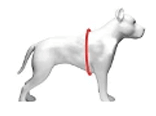
If you're unsure whether your dog's harness fits correctly, learn how to measure your dog for a harness before making adjustments or choosing a different size.

Harness Styles That Are More Escape-Resistant
Not all harnesses are designed the same. While no harness is completely escape-proof on its own, the right style and a proper fit can make it much harder for your dog to back out during a walk.
Step-In Harnesses
Step-in harnesses are popular because they're easy to put on, especially for dogs that don't like having a harness pulled over their head. However, if the neck or chest straps are too loose, some dogs can still reverse out of the harness when they pull backward. Checking the fit around both the chest and shoulders is just as important as choosing the right size.
Over-the-Head Harnesses
Over-the-head harnesses slip over your dog's head before fastening around the chest. Many vest-style harnesses use this design. When adjusted correctly, they help keep the harness positioned around the chest and shoulders while distributing leash pressure across the chest instead of the neck. As with any harness, a loose fit can still increase the risk of an escape.
Multi-Point Designs
Harnesses with multiple adjustment points allow dog parents to fine-tune the fit around the neck, chest, and torso. This helps reduce gaps that can develop around the shoulders or chest during movement. These designs can be especially helpful for dogs with narrow chests, deep chests, or body shapes that don't always fit standard harness sizes.
Reinforced Leash Attachment Points
The leash attachment point matters, too. Reinforced attachment points and durable hardware help keep the leash securely connected during everyday walks, even if your dog suddenly lunges, spins, or pulls backward after being startled. While they don't prevent a dog from backing out of a loose harness, they help the harness perform as intended under normal walking conditions.
If you're looking for an escape proof dog harness, look for features such as:
- Adjustable neck and chest straps for a more precise fit.
- Multiple adjustment points to reduce excess space around the shoulders and chest.
- Reinforced leash attachment points with durable hardware.
- Durable construction designed for everyday walks.
- A comfortable fit that allows your dog to move naturally without unnecessary looseness.
Many dog parents searching for a heavy duty dog harness are looking for more than strong materials. A well-designed harness should combine durable construction with a secure, adjustable fit. Together, these features help reduce the chance of your dog backing out while keeping them comfortable on every walk.
What to Do If Your Dog Has Escaped Before
If your dog has slipped out of a harness before, it doesn't mean they'll do it again. It does mean it's time to find out why before your next walk.
- Recheck the fit. Adjust the neck and chest straps using the two-finger rule. Make sure the harness sits securely around your dog's neck, chest, and shoulders without shifting, twisting, or riding up as they walk.
- Consider a different harness style. If your dog still backs out after you've adjusted the fit, the harness may not suit their body shape. Dogs with narrow chests or slimmer builds may benefit from a harness with multiple adjustment points for a more secure fit.
- Inspect the harness for wear. Check the straps, stitching, buckles, and D-ring for signs of wear or damage. Replace the harness if any part is stretched, cracked, loose, or no longer holds securely.
- Add an extra safety measure. If your dog has escaped because they were frightened or startled, consider using a backup safety clip that connects the harness to your dog's collar. It provides an additional layer of security during training or in unfamiliar environments, but it should never replace a properly fitted harness.
A properly fitted harness, regular fit checks, and routine inspections all help reduce the risk of future escapes and keep your dog secure on every walk.
Frequently Asked Questions
Why does my dog keep slipping out of their harness?
A loose harness is the most common reason dogs slip out. A harness that doesn't match your dog's body shape or isn't adjusted correctly can also increase the risk. Many dogs back out of a harness when they're frightened or startled. A secure fit around the neck, chest, and shoulders helps reduce the chance of an escape.
What is the two-finger rule for harness fit?
The two-finger rule is a quick way to check your harness fit. You should be able to slide two fingers between the harness strap and your dog's body. If you can't, the harness is too tight. If you can fit more than two fingers, it's likely too loose.
Are step-in harnesses more escape-proof than over-the-head styles?
No. Neither harness style is automatically more escape-proof. The most important factors are proper sizing, correct strap adjustment, and a harness that fits your dog's body shape. A well-fitted harness is more secure than a poorly fitted one, regardless of the style.
What breeds are most likely to back out of a harness?
Dogs with narrow chests or slim builds may be more likely to back out of a loose harness. However, any dog can escape if the harness is too loose, shifts during a walk, or isn't adjusted correctly.
Should I use a martingale collar as backup with a harness?
The right harness starts with the right fit. If you're looking for an escape proof dog harness, choose one that combines a secure fit with adjustable neck and chest straps, durable construction, and multiple leash attachment points. These features help keep your dog comfortable and secure on every walk.
Explore the World's Best Dog Harness to find a harness designed for a secure fit and everyday adventures.
Shop Joyride's Secure-Fit Harness
The right harness starts with the right fit. If you're looking for an escape proof dog harness, choose one that combines a secure fit with adjustable neck and chest straps, durable construction, and multiple leash attachment points. These features help keep your dog comfortable and secure on every walk.
Explore the World's Best Dog Harness to find a harness designed for a secure fit and everyday adventures.
Share this post



ABOUT JOYRIDE HARNESS
Headquartered in sunny Los Angeles , CA, we are committed to providing products that will make you and your dog happier and better with each other and out in the world.
learn moreJOIN OUR NEWSLETTER
ENTER YOUR EMAIL TO RECEIVE AN INSTANT 10% COUPON