










How to Stop Your Dog From Pulling on the Leash

Every dog parent knows the feeling. What starts as a relaxing walk quickly turns into a tug-of-war, with your dog pulling toward every squirrel, interesting scent, or friendly face along the way. If you're looking for a no pull dog harness, you're probably ready to make walks more enjoyable for both you and your dog.
The good news is that leash pulling is a common behavior that can improve with the right combination of training and equipment. A properly fitted no pull dog harness can help redirect your dog's movement during walks, while consistent, reward-based training teaches loose-leash walking over time. It's not about forcing your dog to behave. It's about helping your dog build better walking habits so every walk feels safer, more comfortable, and more enjoyable for both of you.

Why Dogs Pull on the Leash in the First Place
Most dogs don't pull because they're stubborn or trying to make walks difficult. Leash pulling is usually the result of natural instincts, excitement, excess energy, or a lack of loose-leash training. Understanding why your dog pulls is the first step toward choosing the right training approach and helping them develop better walking habits.
The Opposition Reflex
Many dogs instinctively push against leash pressure, a response known as the opposition reflex. When the leash becomes tight, they may lean forward instead of slowing down, making pulling more difficult to stop. Pulling back harder often increases leash tension rather than encouraging your dog to walk beside you.
Excitement and Curiosity
Walks are full of new sights, sounds, scents, and experiences. Your dog may pull because they want to greet another dog, follow an interesting scent, watch wildlife, or reach a favorite walking spot. With consistent, reward-based training, your dog can learn that walking on a loose leash is what keeps the walk going.
Pent-Up Energy
Dogs have different exercise needs based on factors such as breed, age, and activity level. If your dog hasn't had enough physical exercise or mental enrichment, they may have extra energy when it's time for a walk. Regular exercise, enrichment activities, and short training sessions can help your dog stay calmer and more focused outdoors.
Loose-Leash Walking Is a Learned Skill
Walking calmly beside a person doesn't come naturally to most dogs. If pulling has consistently helped your dog reach something they want, they've learned that pulling works. Reward-based training teaches your dog that staying close and keeping the leash loose is what leads to forward movement and other rewards.
How a Side Ring No Pull Dog Harness Changes the Physics of Pulling
If your dog pulls on every walk, you're not alone. A properly fitted no pull dog harness can make training easier by changing how your dog's movement is redirected when the leash becomes tight.
Unlike many back-clip harnesses, which allow dogs to lean into their forward momentum, a side-attachment design places the leash attachment at the front of your dog's chest. When your dog pulls, the harness gently redirects their movement back toward you instead of allowing them to keep moving straight ahead. That brief redirection creates a natural opportunity to reward loose-leash walking and reinforce better walking habits over time.
A no pull harness can help:
- Give you better control during walks
- Redirect your dog's forward momentum
- Support loose-leash training
- Encourage calmer, more comfortable walks
- Create more opportunities to reward good leash manners
A no pull harness works best when paired with consistent, reward-based training. It supports the learning process, but it doesn't replace training. Together, the right equipment and regular practice can help you and your dog enjoy more relaxed walks.
If you'd like to learn more about the design and mechanics, explore how a no-pull harness works and why it helps reduce pulling.
Getting the Fit Right (A Loose Harness Undoes Everything)
Even the best harness for dogs that pull won't work as intended if it doesn't fit your dog properly. A secure, comfortable fit helps your dog move naturally and allows a front-attachment no pull harness for dogs to redirect movement as designed.
Before every walk, take a few seconds to check the fit:
- It stays centered. The harness should stay centered on your dog's body instead of twisting or sliding from side to side as your dog walks.
- Your dog can move comfortably. Your dog should be able to sit, stand, run, and turn naturally without the harness rubbing or restricting movement.
- The straps fit snugly. The harness should feel secure without squeezing your dog. Avoid loose gaps that could allow your dog to back out of the harness during a walk.
- You check the fit regularly. Puppies grow quickly, and adult dogs can gain or lose weight over time. Checking the fit regularly helps keep every walk comfortable and secure.
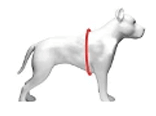
For step-by-step sizing instructions, read our dog harness measuring guide before choosing your harness size.

Training Steps to Pair With the Right Harness
Even the no pull harness for dogs works best when it's paired with consistent, reward-based training. The harness helps manage pulling, while training teaches your dog the behavior you want. Together, they can make walks more enjoyable for both you and your dog.
Use the Stop-and-Go Method
When your dog pulls and the leash becomes tight, stop walking.
Wait quietly until your dog returns to your side or the leash becomes loose. Then continue walking.
Over time, your dog learns that walking on a loose leash allows the walk to continue.
Use Redirect Cues
If your dog starts pulling toward something exciting, calmly change direction instead of pulling back on the leash.
When your dog follows you, reward them with praise, a treat, or another reward they enjoy. This reinforces the behavior you want and encourages your dog to pay attention to you during the walk.
Keep Training Sessions Short and Consistent
Regular practice is more important than long training sessions. For many dogs, especially puppies and younger dogs, short sessions throughout the week are easier to stay engaged with than occasional extended training sessions.
Be patient and celebrate small improvements. Every successful walk helps your dog build better leash manners and confidence over time.
When to Expect Improvement
It's normal to hope for a smoother walk after switching to a no pull dog harness. A properly fitted harness can help redirect your dog's movement, but lasting improvement comes from consistent, reward-based training. Your dog is learning a new walking habit, and that takes time.
Your First Few Walks
Some dog parents notice they're able to guide their dog more easily because a front-attachment harness redirects forward movement when the leash becomes tight. Your dog may still pull when they're excited, see another dog, or want to investigate interesting sights and smells. That's a normal part of the learning process.
As Your Dog Learns
With consistent practice, many dogs begin to recover more quickly after pulling and spend more time walking on a loose leash. You may also find yourself stopping less often during walks as your dog starts to understand that a loose leash allows the walk to continue.
Keep Reinforcing Good Habits
Even after your dog becomes more consistent, continue rewarding loose-leash walking with praise, treats, or another reward your dog enjoys. Reinforcing good behavior helps maintain those habits over time, especially when your dog encounters new environments or distractions.
Every dog learns at a different pace. Focus on steady progress instead of perfect walks, and celebrate each improvement along the way.
Frequently Asked Questions
Why does my dog pull so hard on the leash?
Dogs pull for several reasons. Many dogs naturally lean into leash pressure through the opposition reflex. Others pull because they're excited, want to investigate new sights and smells, or haven't yet learned that a loose leash keeps the walk moving. Pulling is a learned behavior, and consistent, reward-based training can help change it.
Do no-pull harnesses actually work?
Yes, when they're used correctly. A properly fitted no pull dog harness with a front-attachment leash connection helps redirect your dog's forward movement when the leash becomes tight. It doesn't teach loose-leash walking on its own, but it can make reward-based training easier by reducing your dog's ability to continue pulling straight ahead.
Front-clip or Side clip or back-clip harness: Which helps reduce pulling?
A side-clip harness is generally the better choice for dogs that pull because the leash attaches at the front of the chest, allowing the harness to redirect your dog's forward movement. A back-clip harness attaches between the shoulder blades and doesn't provide the same redirection, so it's typically less effective for loose-leash training.
How long does it take to stop a dog from pulling?
There's no fixed timeline. Progress depends on factors such as your dog's age, previous leash training, consistency, and the environments where you practice. Some dog parents notice better leash manners within the first few walks, while others see gradual improvement over several weeks of regular, reward-based training.
Can a harness alone fix leash pulling, or do I need training too?
Lasting improvement comes from pairing a properly fitted no pull harness for dogs with consistent, reward-based training that reinforces the behavior you want.
Is it bad for a dog to pull against a harness?
Occasional pulling on a properly fitted harness is not unusual while your dog is learning. However, repeated pulling reinforces the habit and can make walks more difficult to manage. A properly fitted side-attachment harness, combined with consistent training, helps reduce pulling by redirecting your dog's movement and encouraging better leash manners over time.
Shop Joyride's No-Pull Harness
Ready to enjoy more comfortable walks with your dog?
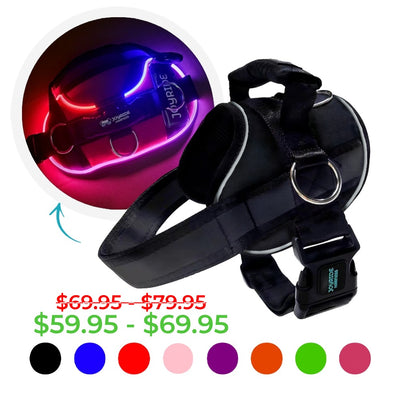
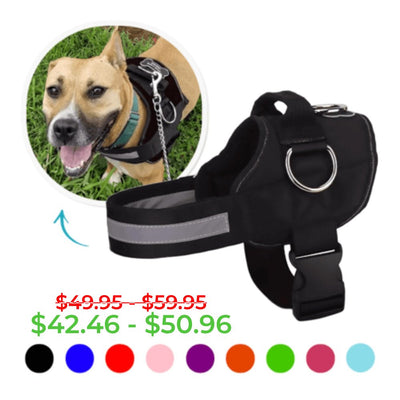
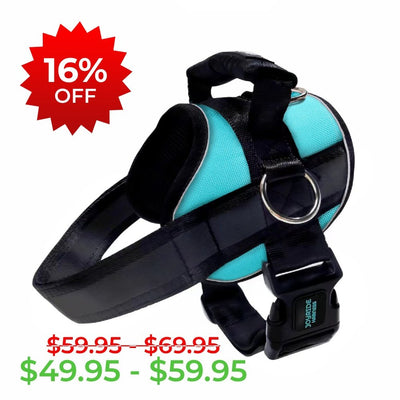
Joyride's original side-ring no pull dog harness is designed to help redirect pulling while keeping your dog comfortable and secure. Pair it with consistent, reward-based training to build better leash manners and make every walk more enjoyable for both you and your dog.
Explore the World's Best Dog Harness and find the right fit for your next adventure.
Share this post



ABOUT JOYRIDE HARNESS
Headquartered in sunny Los Angeles , CA, we are committed to providing products that will make you and your dog happier and better with each other and out in the world.
learn moreJOIN OUR NEWSLETTER
ENTER YOUR EMAIL TO RECEIVE AN INSTANT 10% COUPON