










How to Choose the Right Harness for a Growing Puppy

Bringing home a new puppy comes with plenty of exciting firsts, including choosing their first puppy harness. The challenge is that puppies grow quickly, so a harness that fits well today may not fit properly just a few weeks later.
Choosing the right harness isn't only about comfort. A properly fitted harness should allow your puppy to move comfortably without restricting their natural movement during walks and everyday adventures. As your puppy grows, checking the fit regularly and introducing the harness with patience and positive reinforcement can help them feel more comfortable wearing it.
In this guide, you'll learn when puppies can start wearing a harness, how often to check the fit, the signs they've outgrown it, and what to look for when choosing a harness that grows with your puppy.

What Age Can a Puppy Start Wearing a Puppy Harness?
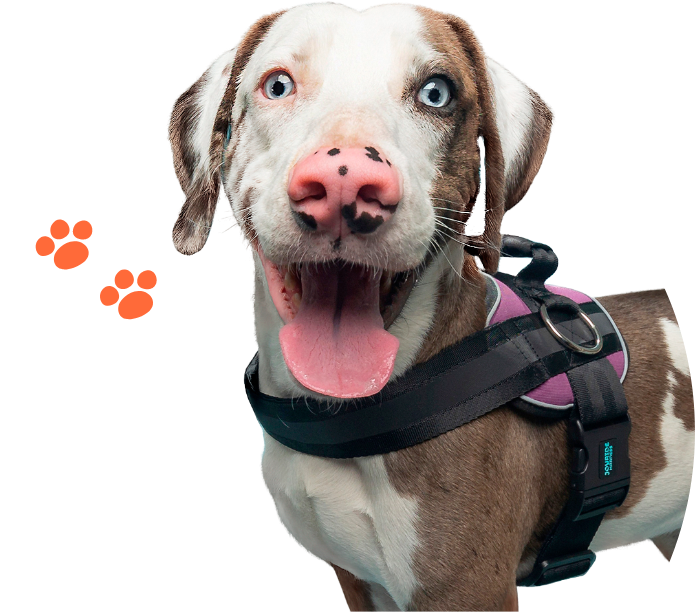
Bringing home a puppy means introducing lots of new experiences, and a harness is one of them. Many puppies can start getting used to a puppy harness before they're ready for regular outdoor walks. The most important thing isn't reaching a certain age. It's making sure the harness fits properly and that your puppy feels comfortable wearing it.
A properly fitted harness can be a comfortable choice for early leash training because it's designed to distribute leash pressure more evenly across your puppy's chest instead of concentrating it around the neck. As your puppy grows, checking the fit regularly helps keep the harness comfortable and secure.
Keep those first introductions short, positive, and fun. Let your puppy:
- Sniff the harness before putting it on.
- Wear it around the house for a few minutes at a time.
- Enjoy treats and praise while wearing it.
- Build confidence before heading outside.
The goal isn't just getting your puppy to wear a harness. It's helping them feel comfortable and confident every time it goes on.
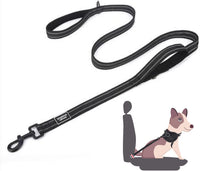
When you're ready to introduce a leash, a comfortable puppy harness and leash can help make those first training sessions more enjoyable for both you and your puppy.
Why Puppies Need Different Harness Considerations Than Adult Dogs
Your puppy won't stay the same size for long. During the first several months of life, their chest, shoulders, muscles, and overall body proportions change quickly. A puppy harness that fits comfortably today may become too snug just a few weeks later as your puppy grows.
Unlike adult dogs that have reached their full size, puppies go through frequent growth spurts. Their harness fit can change much faster, which is why regular fit checks and adjustments are an important part of early leash training.
Choose a Harness That Can Grow With Your Puppy
Growing puppies benefit from a harness with adjustable neck and chest straps. These adjustment points let you fine-tune the fit as your puppy's body changes, helping keep the harness comfortable and secure between growth spurts.
Adjustable straps don't eliminate the need for a new size altogether, but they can provide more flexibility before your puppy outgrows the harness.
Prioritize Comfort for a Developing Body
Your puppy is still developing, and so are the muscles, chest, and shoulders that determine how a harness fits. Choosing soft, durable materials can help reduce rubbing around common contact points, such as the chest and behind the front legs, while allowing your puppy to move naturally during walks and training sessions.
A comfortable harness also helps create positive experiences as your puppy learns that putting on a harness means it's time for another fun walk or training session with you.
Check the Fit Often as Your Puppy Grows
One of the biggest differences between fitting a puppy and an adult dog is how often you should check the fit. Depending on your puppy's age, breed, and growth rate, small adjustments may be needed more frequently during the first several months.
Look for signs that it's time to adjust the harness or move up to the next size, including:
- Straps that feel tighter than before.
- Less adjustment room around the neck or chest.
- Rubbing behind the front legs or across the chest.
- A harness that shifts or no longer sits in the correct position.
Choosing the best harness for puppy training isn't just about finding the right size today. It's about choosing a harness that can adapt as your puppy grows, so every walk, training session, and new adventure stays comfortable, secure, and enjoyable.
Signs Your Puppy Has Outgrown Their Harness
Your puppy can grow a lot in just a few weeks, especially during the first several months. That's why checking the fit regularly is just as important as choosing the right puppy harness in the first place. A quick fit check before walks can help you catch small issues before they become uncomfortable.
Here are a few practical signs it's time to adjust the harness or move up to the next size:
- The straps are running out of adjustment room. If you've already loosened the neck or chest straps close to their maximum adjustment and the harness still feels snug, your puppy has likely outgrown the current size.
- You notice rubbing or pressure marks. After taking the harness off, check for rubbing, redness, or pressure marks around the chest or behind the front legs. A properly fitted harness should feel secure without leaving marks or causing discomfort.
- The harness sits differently than it used to. If the harness rides higher on your puppy's chest, shifts to one side, or no longer sits where it should, it's a good time to check the fit. These changes often happen gradually as puppies grow.
- Your puppy's movement looks restricted. Your puppy should be able to walk, run, sit, and play naturally while wearing a harness. If the harness appears to limit movement or your puppy suddenly seems reluctant to walk, check the fit before your next outing.
- You're relying on age instead of new measurements. Puppies don't all grow at the same rate. Rather than sizing up based on age alone, measure your puppy again before buying the next harness to help ensure a comfortable, secure fit.
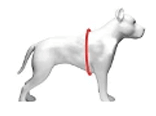
If you think your puppy has outgrown their harness, learn how to measure your dog for a harness before choosing the next size. Taking updated measurements is the best way to keep your growing puppy comfortable and secure.

How Often to Re-Check the Fit
One of the biggest differences between fitting a puppy and an adult dog is how often you need to check the fit. Puppies grow at different rates depending on their age, breed, and individual development, so there isn't a single schedule that works for every dog.
As a general guideline, check your puppy harness fit every few weeks during the first several months of growth. Small breeds often reach their adult size sooner than large and giant breeds, which typically continue growing for much longer. No matter your puppy's breed, it's a good habit to do a quick fit check before heading out for walks or training sessions.
You should also check the fit anytime you notice changes like:
- Your puppy has gone through a noticeable growth spurt.
- The neck or chest straps need frequent adjustments.
- The harness is becoming harder to fasten.
- The harness sits differently across your puppy's chest or shoulders.
- You notice rubbing or pressure marks after wearing the harness.
Regular fit checks help keep every walk comfortable and secure as your puppy grows. Catching a poor fit early is much easier than waiting until your puppy outgrows the harness completely.
Introducing a Harness for the First Time
Your puppy's first experience with a puppy harness can shape how they feel about wearing it during future walks. The goal isn't to rush outside. It's to help your puppy build confidence, one positive experience at a time.
Here are a few simple ways to make those first introductions easier:
- Let your puppy investigate the harness first. Place the harness on the floor and give your puppy time to sniff and explore it at their own pace. Avoid forcing the harness on before they're comfortable.
- Reward calm, curious behavior. Offer treats, praise, or a favorite toy whenever your puppy interacts calmly with the harness or allows you to put it on. Positive reinforcement helps create a good association with wearing it.
- Keep the first sessions short. Your first few practice sessions may only last a minute or two, and that's perfectly okay. Ending while your puppy is still relaxed and happy helps build confidence for the next session.
- Practice around the house before heading outside. Once the harness is on, let your puppy walk around indoors so they can get used to how it feels without the added excitement of new sights, sounds, and smells.
- Introduce the leash gradually. When your puppy is comfortable wearing the harness indoors, clip on the leash and let them move around with you before taking your first outdoor walk. This helps make the transition to leash training feel more natural.
Every puppy learns at their own pace, so keep each session positive and celebrate the small wins along the way. If you're getting ready for your puppy's first walks, learn how long it typically takes to leash train a puppy so you know what to expect during those early training sessions.
Frequently Asked Questions
What age can a puppy start wearing a harness?
Many puppies can start getting used to a puppy harness before they're ready for regular outdoor walks. The key isn't reaching a certain age. It's introducing a properly fitted harness gradually with short indoor sessions, treats, and praise so your puppy builds positive associations.
How do I know if my puppy's harness is too small?
A harness may be too small if the neck or chest straps have little adjustment room left, the harness leaves rubbing or pressure marks, or it no longer sits comfortably across your puppy's chest. If your puppy has gone through a noticeable growth spurt, check the fit before your next walk.
How often should I resize my puppy's harness?
There's no fixed schedule because puppies grow at different rates. As a general guideline, check the harness fit every few weeks during the first several months. If you've reached the end of the adjustment range or your puppy has noticeably grown, remeasure them before choosing the next size.
Is a harness or collar better for a puppy?
For early leash training, many dog owners choose a harness because it's designed to distribute leash pressure across the chest instead of the neck. A properly fitted harness can provide a comfortable, secure fit while your puppy learns good leash manners.
What material is safest for a puppy's harness?
Rather than focusing on one material, choose a harness made from soft, durable fabrics with adjustable neck and chest straps. A properly fitted harness should sit comfortably against your puppy's chest, allow natural movement, and help minimize rubbing during walks and training sessions.
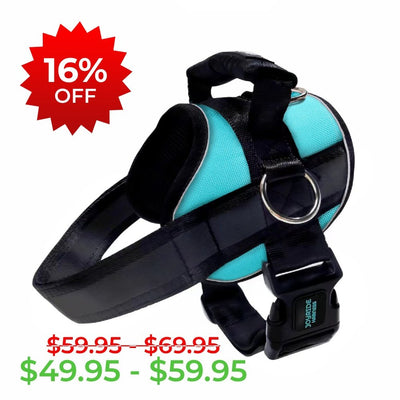
Shop Joyride's Puppy-Friendly Harness Sizes
Your puppy will do a lot of growing during their first year, and choosing the right puppy harness helps keep every walk comfortable and secure along the way. A properly fitted harness supports confident leash training while giving your dog the freedom to move naturally as they grow.
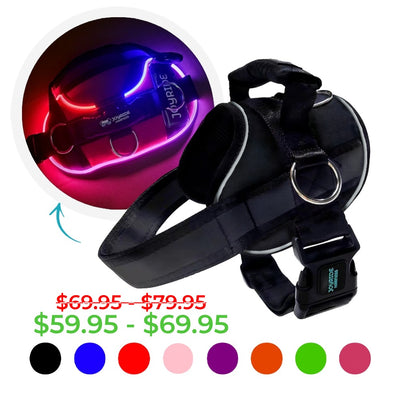
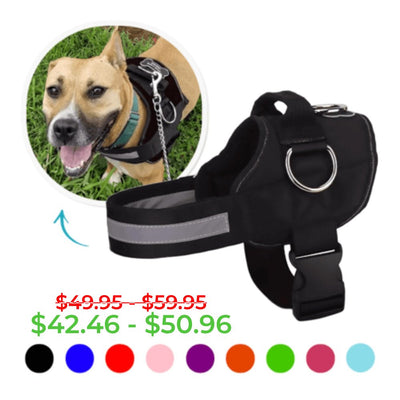
Explore Joyride's puppy-friendly harness sizes to find an adjustable, comfortable fit designed for growing dogs. With adjustable neck and chest straps, durable construction, and a secure, dog-first design, you can spend less time worrying about the fit and more time enjoying every walk together.
Share this post


ABOUT JOYRIDE HARNESS
Headquartered in sunny Los Angeles , CA, we are committed to providing products that will make you and your dog happier and better with each other and out in the world.
learn moreJOIN OUR NEWSLETTER
ENTER YOUR EMAIL TO RECEIVE AN INSTANT 10% COUPON