











Do You Need a Crash-Tested Dog Harness for the Car?

Every dog parent wants to keep their dog safe on every drive. If you've been researching a crash tested dog harness, you've probably wondered whether "crash-tested" is a meaningful safety feature or simply a marketing term.
The short answer is that crash testing matters, but it's only one part of choosing a safer travel setup for your dog. Independent testing can provide valuable information about how certain restraints perform during simulated collisions, but proper fit, secure attachment, and quality construction are also important.
In this guide, we'll explain what "crash-tested" really means, how independent testing works, and what features to look for when choosing a dog car harness or dog car seat belt so you can make an informed decision for your dog.

What "Crash-Tested" Actually Means
A crash tested dog harness has been evaluated through controlled crash simulations to assess how it performs during a collision. Unlike everyday product testing, crash testing is designed to measure how a harness responds to crash forces and whether it continues to perform as intended under impact.
Many crash-tested products are evaluated through independent testing programs that assess how well a harness protects a dog during a simulated collision. These evaluations help identify potential failure points and provide consistent data for comparing different products.
Independent testing programs typically evaluate:
- How the harness manages impact force
- Whether straps remain securely fastened during testing
- How attachment points perform under crash forces
- Whether buckles and hardware remain connected
- Whether the harness remains intact throughout a simulated collision
The purpose of these evaluations is to understand how the harness performs under crash conditions and identify whether any components fail during testing.
It's also important to understand that not every dog car harness is crash-tested. Some products are designed primarily for everyday travel, comfort, or helping reduce driver distraction by keeping your dog more securely positioned in the vehicle. While those products may serve their intended purpose, they should not be assumed to have undergone independent crash testing.
Understanding the difference can help you compare products more confidently and choose the travel setup that best fits your dog's needs.
Is a Dog Seat Belt Legally Required?
There is no federal law in the United States that requires dogs to wear a seat belt in the car. Instead, laws vary from state to state. Some states have laws that address unrestrained animals through distracted-driving or animal welfare regulations, while others do not have specific requirements for securing dogs during travel. Because these rules can change, it's always a good idea to check the laws in your state before traveling with your dog.
Regardless of the legal requirements, securing your dog during every car ride is a smart safety practice. An unrestrained dog can:
- Move around the vehicle and distract the driver
- Be thrown forward during sudden braking or a collision
- Jump out when a door opens unexpectedly
- Shift around during sharp turns or other sudden maneuvers
Using a dog seatbelt harness or dog car seat belt helps keep your dog more securely positioned during travel while limiting unnecessary movement inside the vehicle.
Just as people wear seat belts to help reduce the risk of injury, using an appropriate restraint gives your dog a more secure and comfortable ride, whether you're heading to the park or taking a longer road trip.
What to Look for in a Car Harness or Seat Belt
Not every travel product offers the same level of security. Whether you're shopping for a dog car harness or a dog car seat belt, knowing what features to look for can help you choose a safer and more reliable travel setup for your dog.
Choose a Secure Attachment Point
A secure attachment point helps keep your dog's restraint connected to the vehicle during travel. Look for products designed specifically for vehicle use that attach to your vehicle's seat belt system or another intended anchor point. Avoid attaching a standard leash to parts of the vehicle that were not designed to restrain your dog.
Look for Strong Strap Material and Durable Webbing
Strong, durable webbing helps support everyday use and contributes to a secure fit. Inspect the straps regularly for fraying, cuts, or other signs of wear, and replace the product if you notice damage. Well-maintained straps help keep your dog's restraint functioning as intended.
Check the Buckle Strength and Hardware
Buckles, clips, and metal hardware should fasten securely and operate smoothly every time you travel. Before each trip, inspect these components for cracks, bending, corrosion, or excessive wear. If any part is damaged, replace the restraint before using it again.
Make Sure Your Dog Car Harness Fits Properly
Even the best dog car harness will not perform as intended if it doesn't fit your dog correctly. A proper fit helps keep your dog more secure while making every ride more comfortable.
Your dog's harness should:
- Fit snugly without restricting natural movement
- Allow your dog to sit, stand, and lie down comfortably
- Stay in place without twisting or shifting excessively
- Avoid rubbing or chafing during travel
If you're using a dog car seat belt, always attach it to a properly fitted harness rather than your dog's collar.

Harness vs. Carrier vs. Barrier — Which Is Right for Your Dog?
There's no single travel solution that's right for every dog. The best choice depends on your dog's size, travel habits, and how they ride in the car. Understanding how each option works can help you choose the setup that's best suited for your dog.
Dog Car Harness
A dog car harness is a practical option for dogs that travel comfortably in a vehicle and can be paired with an appropriate restraint, such as a dog car seat belt. It helps keep your dog more securely positioned during the ride while still allowing them to sit or lie down comfortably. Many dog parents also appreciate that some harnesses can be used for both daily walks and car travel.
Carrier
A properly sized carrier is often a good option for puppies and smaller dogs. It keeps your dog contained during travel and may help some dogs feel more secure in an enclosed space. The carrier should be large enough for your dog to sit, stand, turn around, and lie down comfortably.
Vehicle Barrier
A vehicle barrier separates your dog from the front seats and helps reduce driver distraction by limiting access to the driver's area. However, a barrier serves a different purpose than a harness or carrier. It helps manage where your dog rides in the vehicle, but it does not restrain your dog during sudden braking or a collision.
The right choice depends on your dog's size, comfort, and travel routine. No matter which option you choose, helping your dog stay appropriately secured during every trip is an important part of safer travel.
Frequently Asked Questions
What does crash-tested mean for a dog harness?
A crash tested dog harness has been evaluated through controlled crash simulations to assess how it performs during a collision. Independent testing programs evaluate how the harness responds to crash forces, including whether the straps, buckles, hardware, and attachment points remain intact throughout testing. These evaluations help dog owners compare products designed for vehicle travel.
Do dogs legally need to wear a seat belt in the car?
There is no federal law in the United States requiring dogs to wear a seat belt in passenger vehicles. Laws vary by state, with some states addressing unrestrained animals through distracted-driving or animal welfare laws. Regardless of legal requirements, using an appropriate restraint is a widely recommended safety practice that helps keep your dog more securely positioned during car rides.
Is a harness or a carrier safer for dogs in the car?
The right choice depends on your dog's size, travel habits, and comfort. A properly sized carrier is often a good option for puppies and smaller dogs that travel well in an enclosed space. A properly fitted dog seatbelt harness paired with an appropriate restraint can be a practical choice for many larger dogs during everyday travel.
What should I look for when buying a dog car harness?
When choosing a dog car harness, look for a secure attachment point, durable webbing, sturdy buckles and hardware, and a proper fit. The harness should fit snugly without restricting your dog's natural movement and should be used according to the manufacturer's instructions. These features can help you compare products designed for vehicle travel.
Can my dog wear their regular walking harness in the car?
A regular walking harness is designed primarily for everyday walks rather than vehicle travel. If you're using a restraint in the car, choose equipment that's specifically intended for vehicle use and follow the manufacturer's instructions for proper fit and use.
Ready for Safer Adventures Together?
Every trip is better when your dog can ride comfortably by your side. Choosing the right travel gear is one simple way to help keep your dog more securely positioned during everyday drives while giving you greater peace of mind behind the wheel.
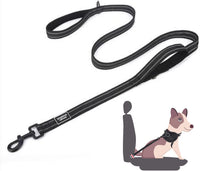
If you're looking for a practical solution for daily travel, explore Joyride Harness' dog car seat belt.
For even more convenience, check out the 2-in-1 Dog Leash & Seat Belt Combo, which makes it easy to go from the car to your next walk or adventure without changing gear.
Share this post



ABOUT JOYRIDE HARNESS
Headquartered in sunny Los Angeles , CA, we are committed to providing products that will make you and your dog happier and better with each other and out in the world.
learn moreJOIN OUR NEWSLETTER
ENTER YOUR EMAIL TO RECEIVE AN INSTANT 10% COUPON